Dawn of Sealing: Mesopotamia, Egypt & Qin-Han Clay
At the dawn of written law and civil contracts, sealing was not mere ornament, but a safeguard for property, statecraft, and human trust.
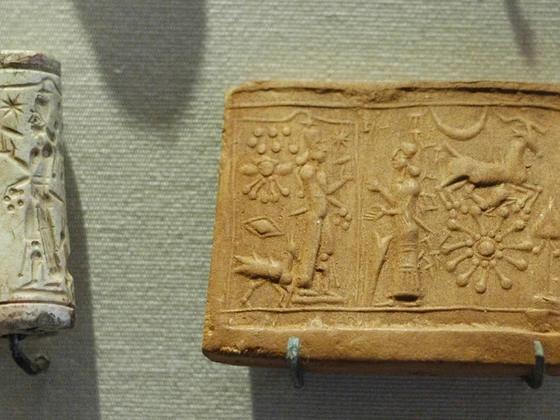
The earliest precursors to seals emerged around 3500 BCE in Sumerian Mesopotamia. Scribes and merchants rolled intricately engraved cylinder seals across wet clay tablets and clay envelopes (bullae) to verify trade inventories, establish ownership, and safeguard against tampering.
In Ancient Egypt, scarab amulets and signets carved from steatite and faience were impressed into mud and clay sealings affixed to papyrus scrolls, securing royal decrees and treasury stores under the authority of the pharaohs.
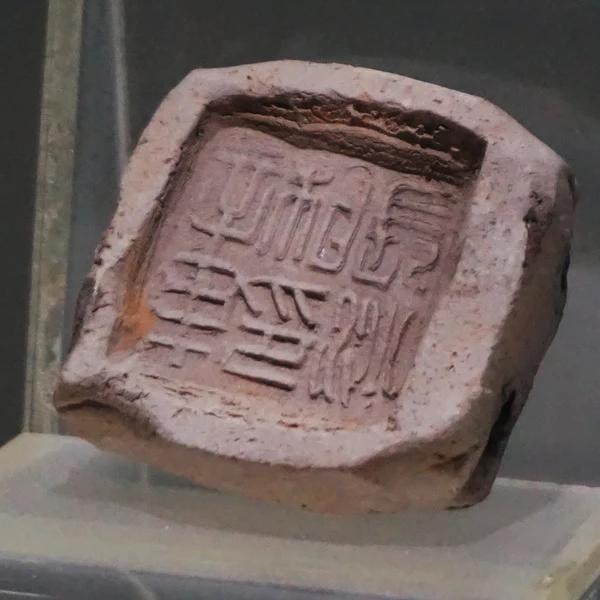
Simultaneously in Ancient China, the Qin and Han Dynasties (221 BCE – 220 CE) perfected the "Fengni" (sealing clay) security system. Bamboo and wooden slips were bound with cords, and a lump of refined clay was placed over the knot and stamped with bronze or jade seals. Once dry, any unauthorized opening would shatter the clay. Thousands of excavated Qin and Han clay sealings remain the cornerstone of Eastern sigillography and seal-carving history.